Spanish · 5 years on Samui
Spanish cycling enthusiast and eco-travel advocate on Koh Samui for 5 years. Carlos covers all bicycle and e-scooter content with a focus on sustainable exploration.
Updated: May 2026
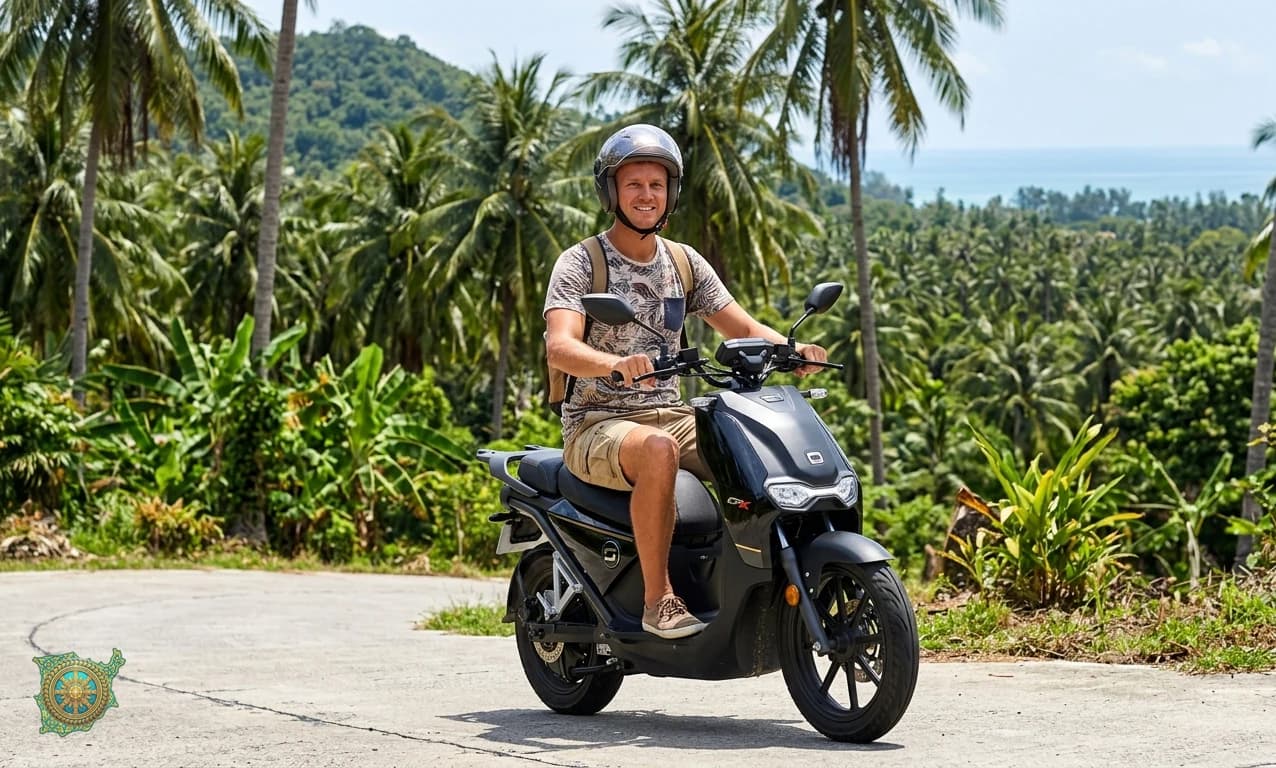
Over a seven-day rental last October I tracked the running cost of the Super Soco CPx against a Honda Click 125 rented by a friend on the same routes. The CPx's electricity cost per charge at hotel rates averaged 18 baht for 65 kilometres. The Click 125 used approximately 1.4 litres per 65 kilometres at current Samui petrol prices - approximately 56 baht. Over seven days and 420 kilometres, the CPx running cost was 108 baht versus the Click 125's 336 baht.
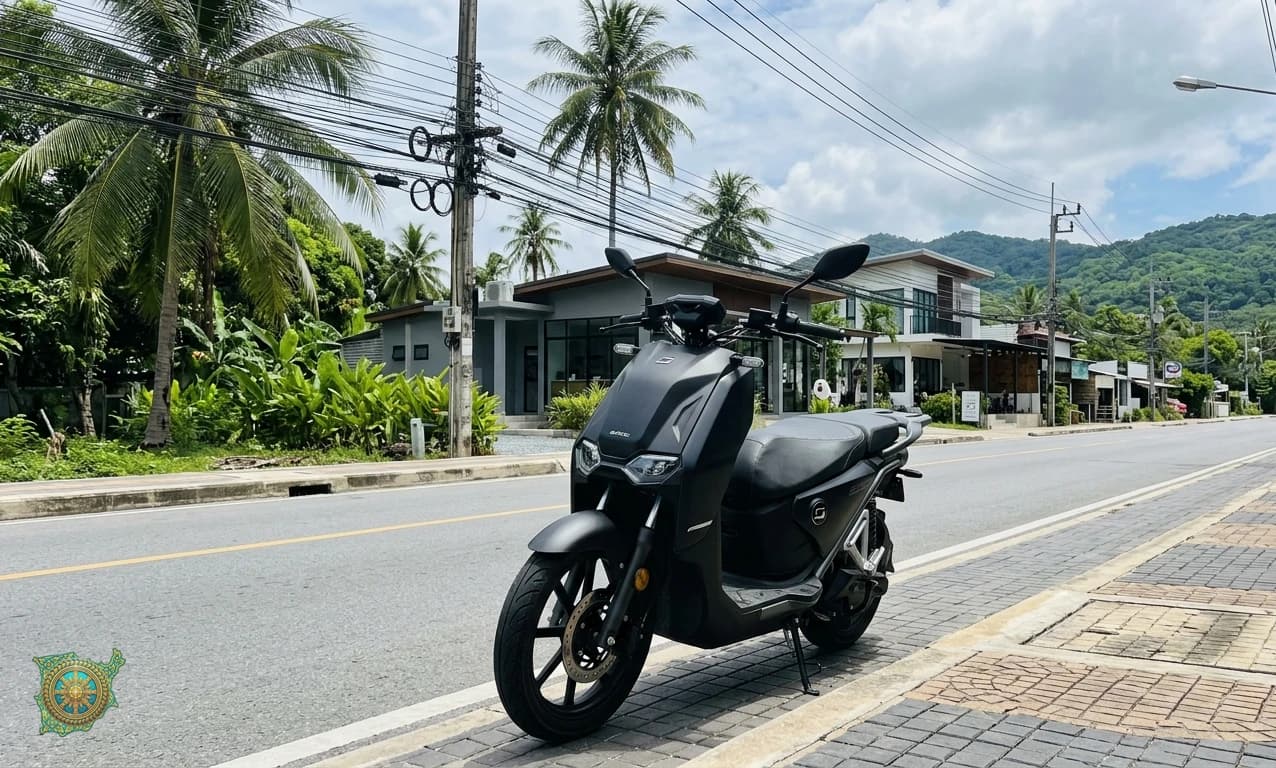
Parking the CPx on the beach access path below the Fisherman's Village at 6 a.m. last February - before the market opened, while the beach was quiet - I arrived without the noise of a petrol engine at idle. The beachside cafés and guesthouses in that section run close to the access path; arriving on the CPx drew no attention. On the same path with a petrol scooter last June, a guesthouse owner came out to ask me to cut the engine. The CPx removes that friction.
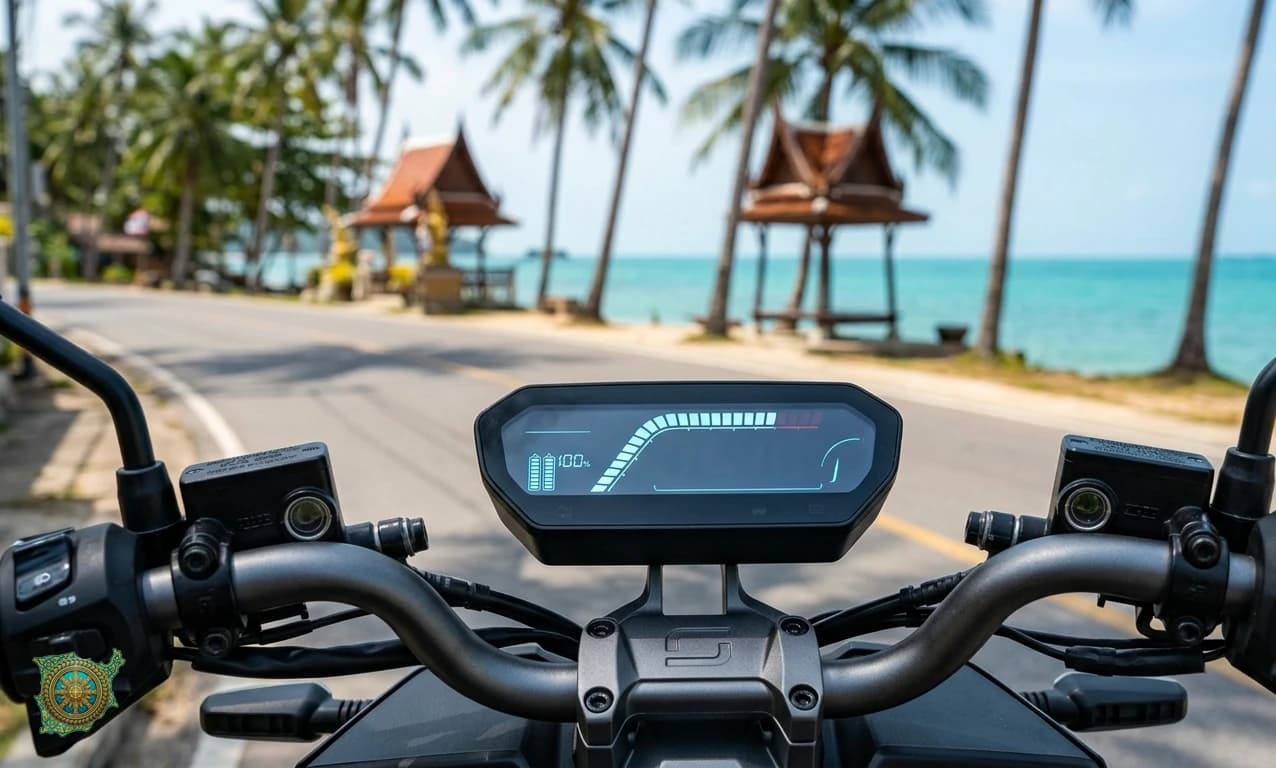
Riding the CPx through the Chaweng market street last November at midday - stop-start traffic, frequent braking from 30 km/h - I measured 0.85 per cent battery consumption per kilometre, significantly below the open-road rate of 1.15 per cent. The CPx's regenerative braking recovers energy on every deceleration, and in heavy traffic that deceleration is constant. Petrol scooters pay a fuel penalty in stop-start conditions. The CPx pays a battery discount. In Chaweng's market street at peak hour, the CPx is genuinely more efficient.
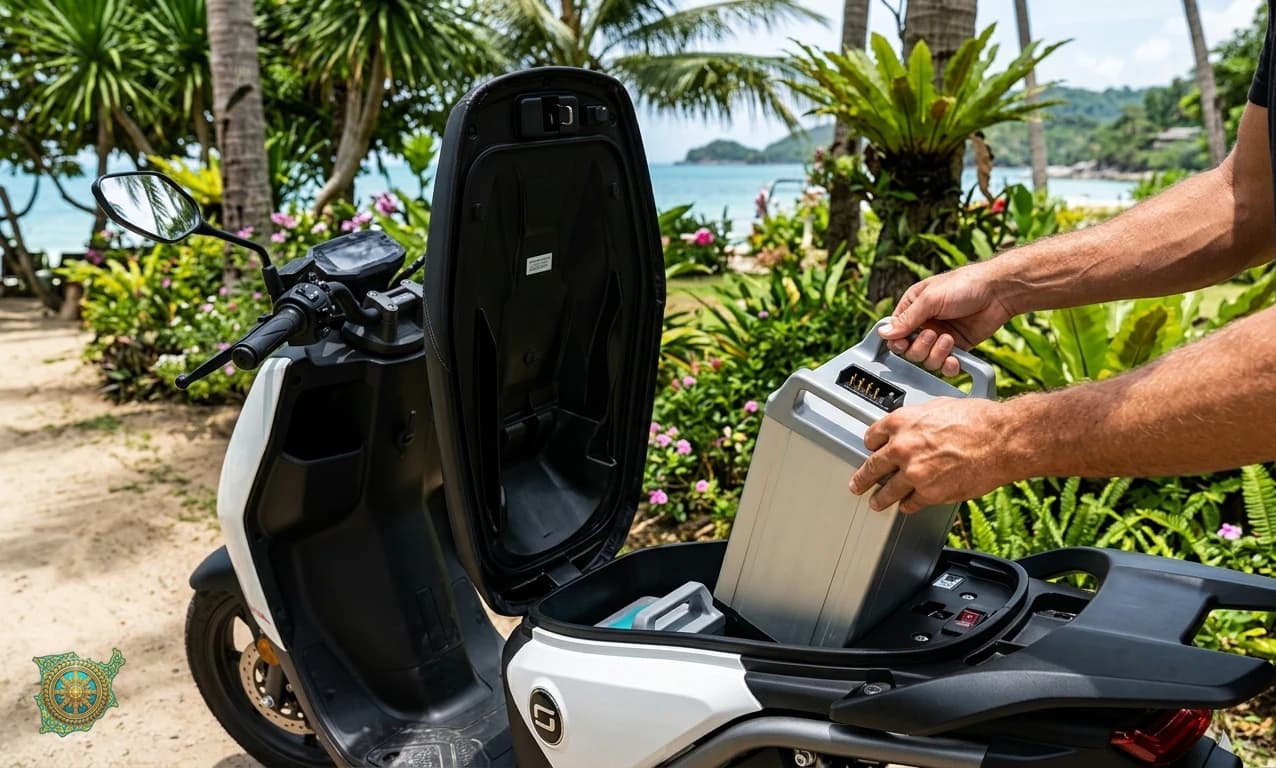
Above the Nathon rubber plantation last March, I turned the CPx around at the viewpoint - 35 per cent battery used in 7 kilometres of climbing, no charging point ahead, 14 kilometres back to town. A petrol scooter fills anywhere on the island in under 3 minutes. The CPx requires a 220V socket, at least 90 minutes for a meaningful partial charge, and a confirmed charging location at the turnaround point. For island crossings above the central hills, the petrol scooter's refuelling flexibility remains unmatched.
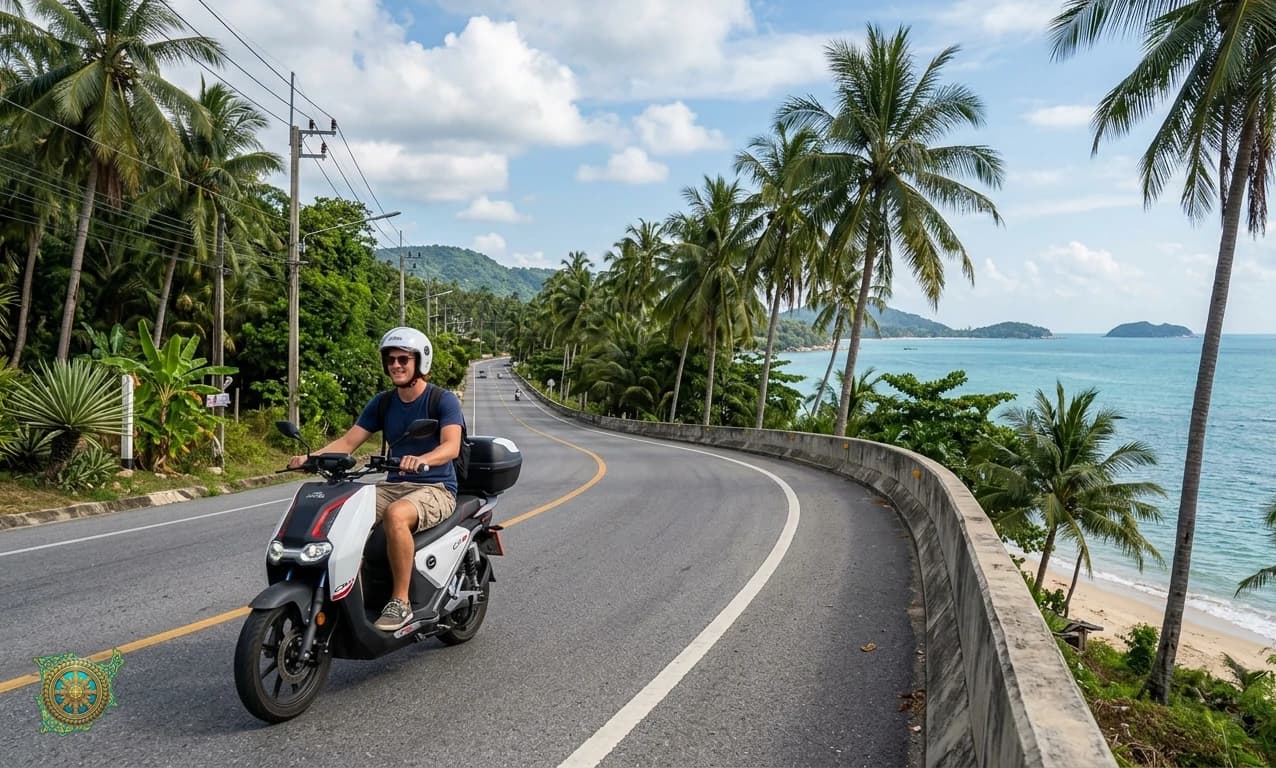
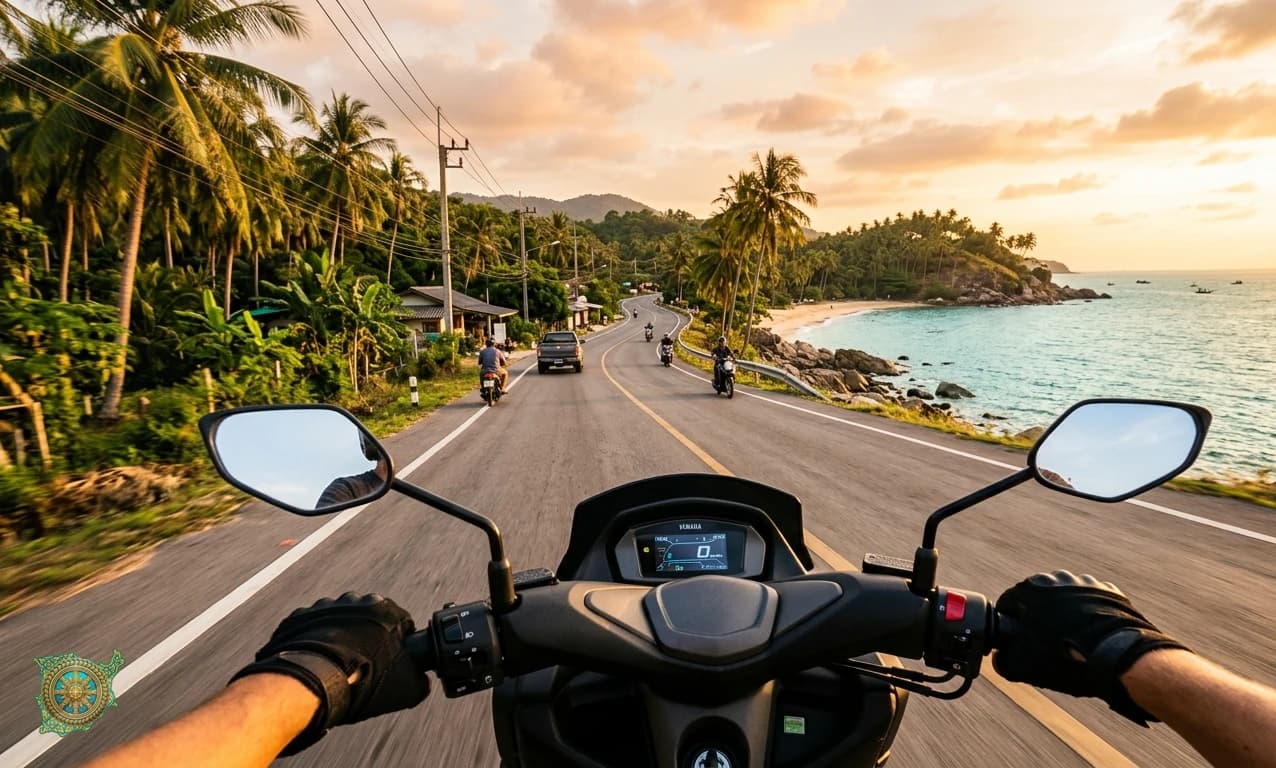
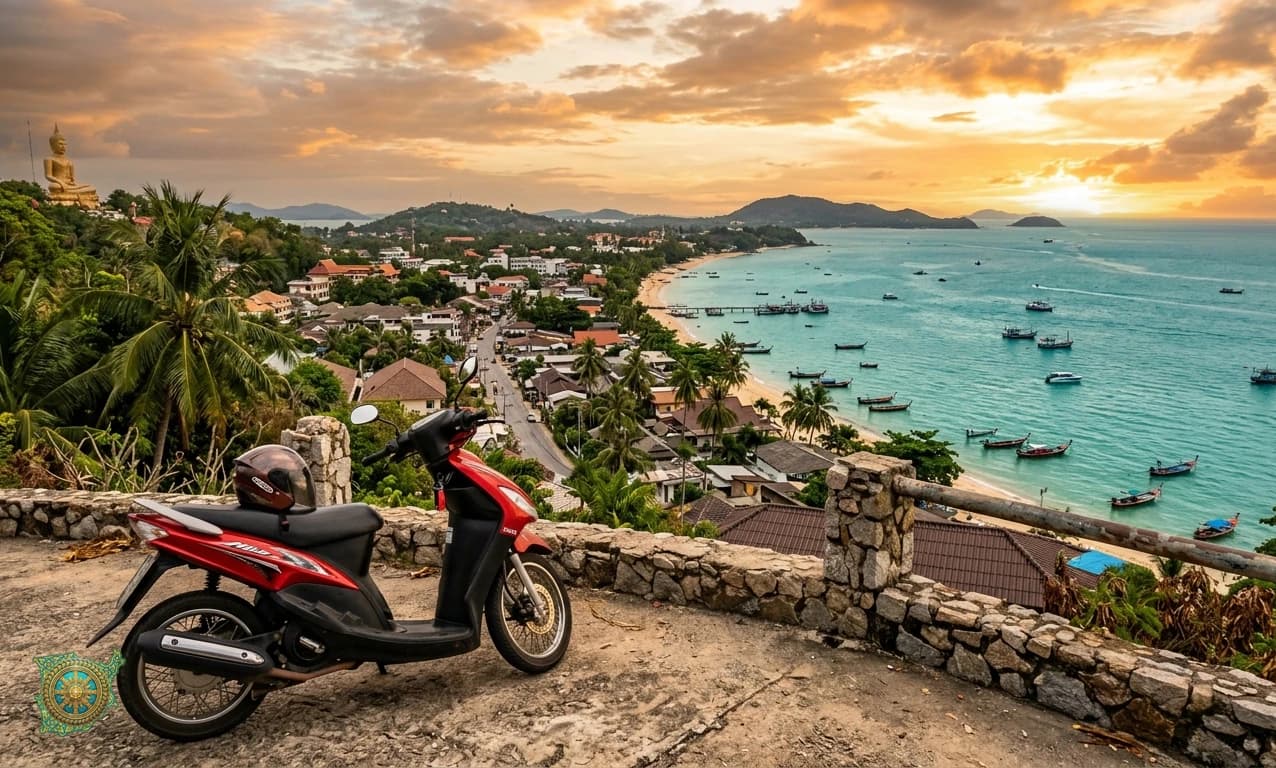
On the coastal day I planned last January - Chaweng to Mae Nam, Fisherman's Village, Big Buddha, back to Chaweng, 44 kilometres - the CPx completed the circuit on a single charge with 22 per cent remaining, cost 12 baht in electricity charged at the Mae Nam hotel, and arrived and departed from every location without idle noise or exhaust. A petrol scooter would have done the same route for 38 baht and arrived at each stop smelling of fuel. For pure beach corridor riding below 55 kilometres, the CPx wins.
Five years of riding both the Super Soco CPx and petrol scooters on Koh Samui has produced a clear answer to when electric wins: beach corridor circuits below 55 kilometres, hotel and resort parking where engine noise matters, and any route that begins and ends at a charging point. The CPx loses to petrol on mountain circuits, plantation roads, and any route where the next charge stop is uncertain. Within the beach corridor - which covers 90 per cent of Samui tourist riding - the CPx wins on cost, noise, and convenience.
Interested in renting Super Soco CPx?
Check live availability and pricing for the Super Soco CPx on Koh Samui.
Show availableFirst-hand Super Soco CPx guides from our local team - where to ride it, when, and how to get the most from it on Koh Samui.

Browse the fleet, check availability, and contact us directly from your phone. Free on iOS and Android.
First-hand road and trail guides written by our local team - where to go, when to ride, and what to watch out for.