
French · 7 years on Samui
French motorcycle tour guide living on Koh Samui for 7 years. Marc leads group rides across southern Thailand and knows every road on the island.
Updated: May 2026
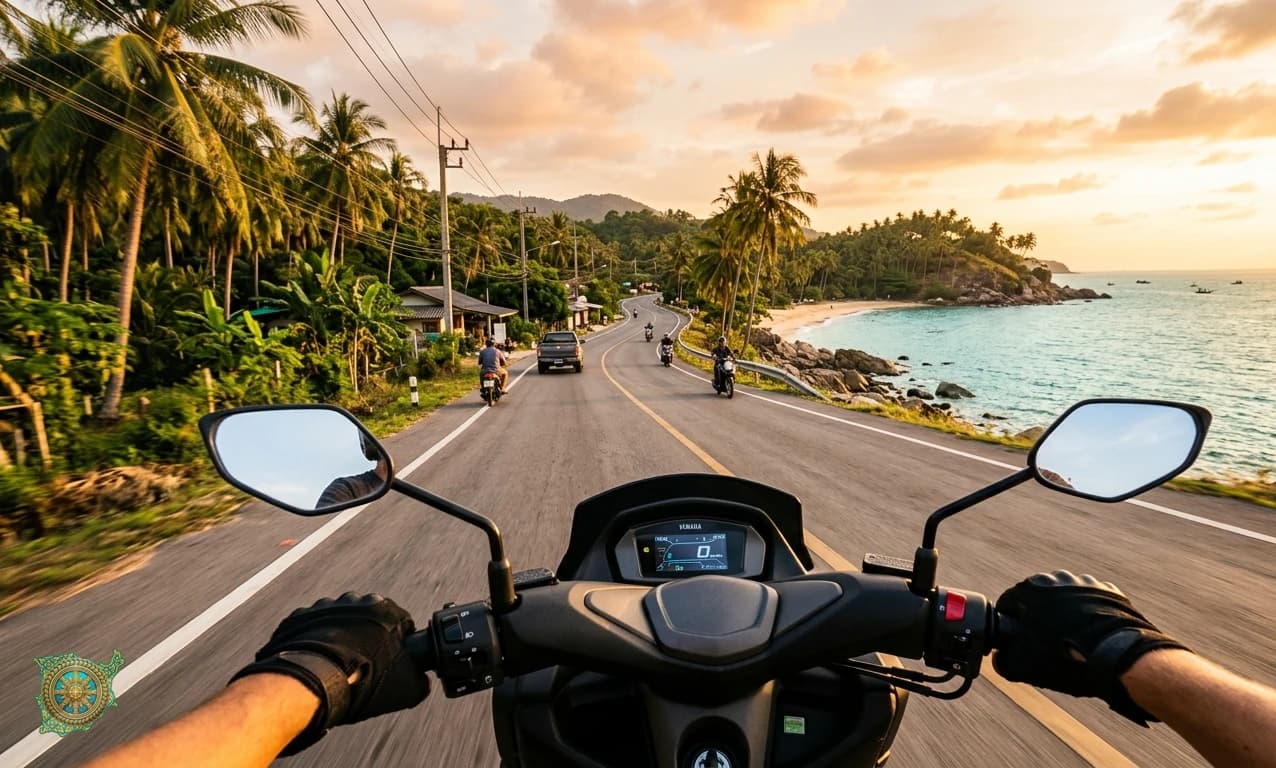
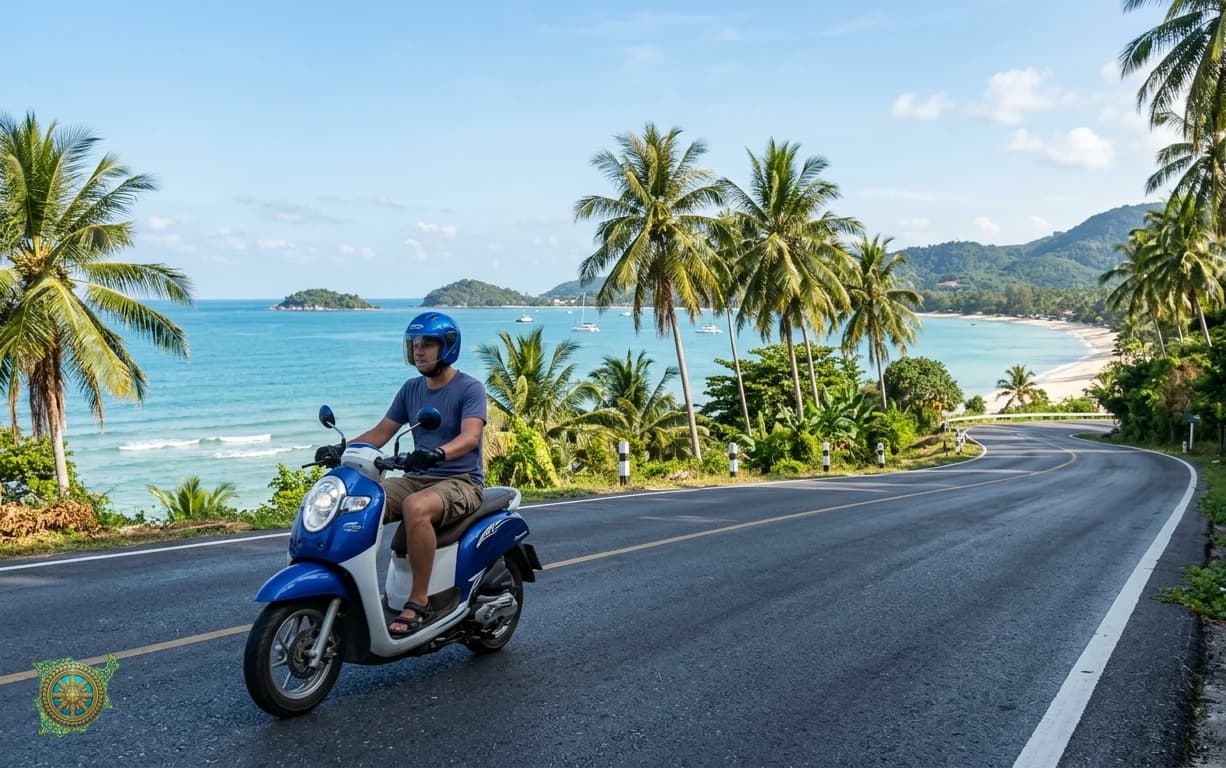
February and March deliver Samui's cleanest riding conditions: dry roads, low humidity, and traffic that has not yet built to the peak-season snarl of late December. I took a Scoopy north along the ring road from Chaweng to Mae Nam last February and hit every green light through the quiet coastal stretch past Choeng Mon. The Scoopy's 110cc engine pulls efficiently in those conditions - no strain, no heat soak, no need for anything larger. This is the window when the island rewards a small automatic without reservation.
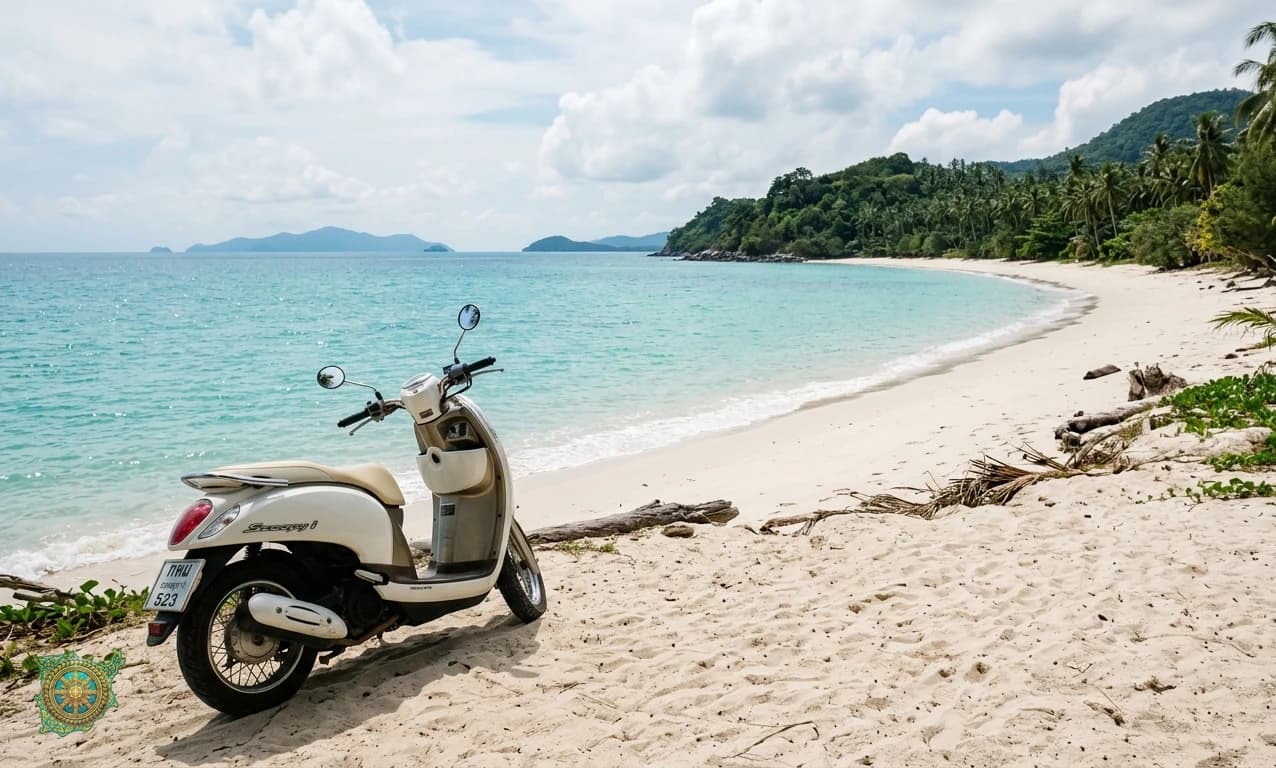
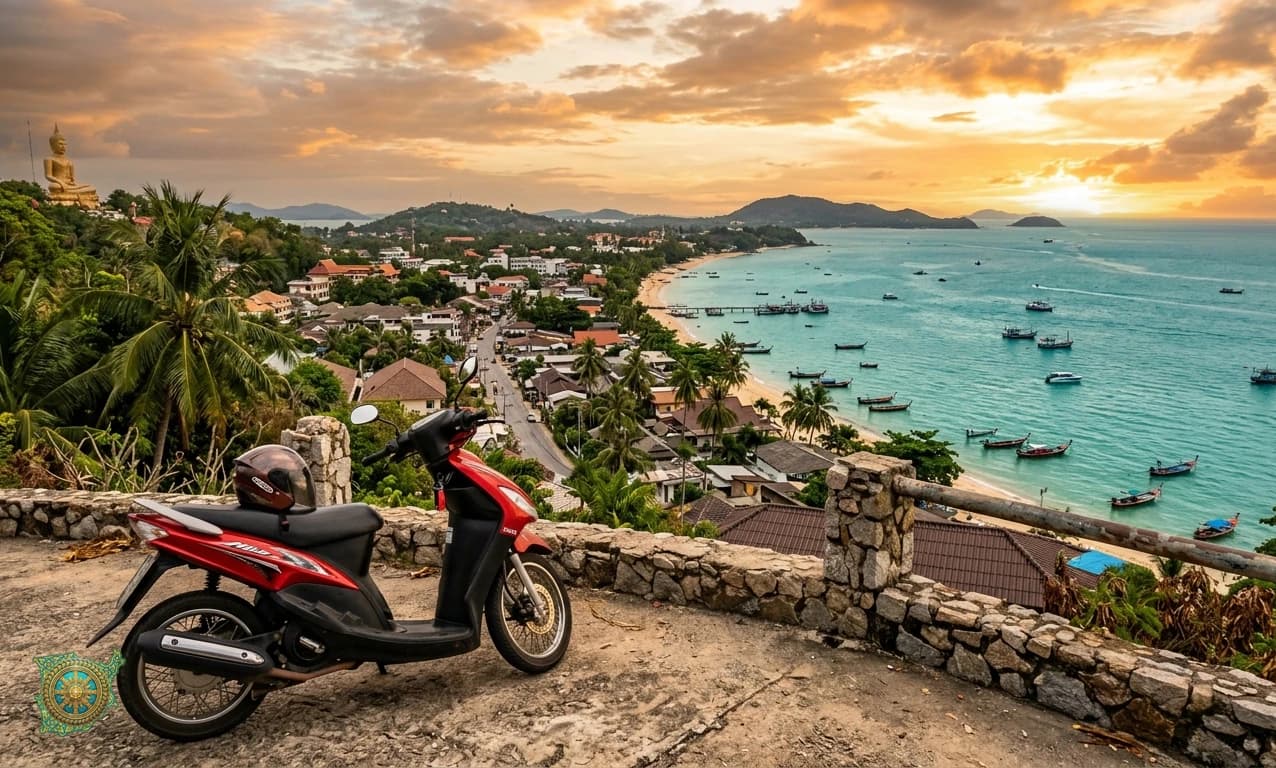
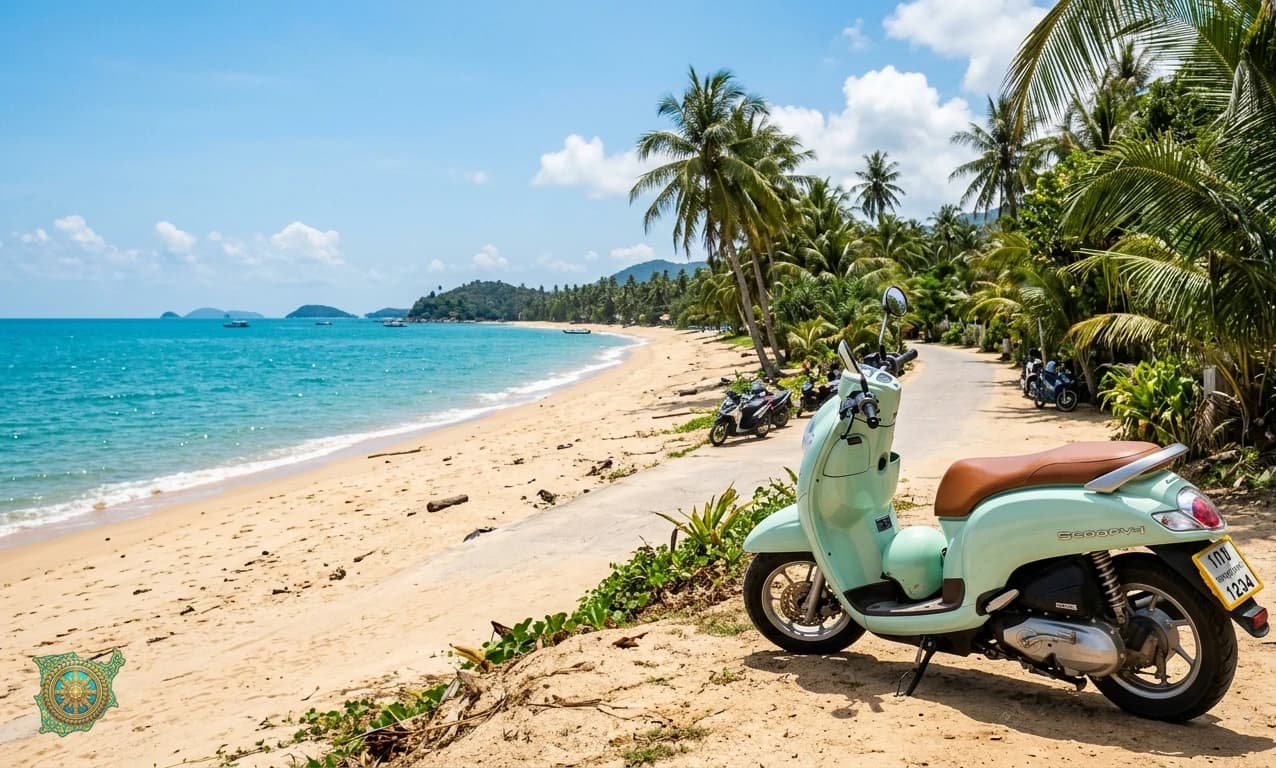
Leaving the guesthouse before 7 a.m. on a Wednesday last April, I joined maybe a dozen other riders on Chaweng Beach Road before the food carts were even open. The Scoopy is at its best in this window. Throttle response feels quicker in the morning cool; road surfaces dry overnight, so grip is reliable before the coastal spray lifts. I reached Ban Bangrak before the first tour group arrived, parked the Scoopy on the sand edge, and had the view entirely to myself.
Lamai Beach Road around 4 p.m. in November carries a particular quality of light - the haze has cleared, temperatures have dropped two degrees from the midday peak, and the road is quiet between the lunch rush and the dinner crowd. I rode the Scoopy south from Chaweng three times that month, timing each run for the late-afternoon slot. The relaxed riding pace the Scoopy imposes makes this stretch enjoyable rather than frustrating. You notice small details - a longtail boat turning at anchor - that faster bikes encourage you to skip.
Combined braking on the Scoopy links front and rear circuits so hard braking on a wet road does not lock the front wheel. I tested this on the descent from the temple road above Nathon after a November squall, pressing the rear brake pedal firmly at 40 km/h on a slick painted line. The bike scrubbed speed evenly without pulling left or right. Rain does not stop the Scoopy from being usable - it changes the required technique, not the machine's ability to handle the conditions.
I watched three riders push their Scoopys up the steep track toward the Hin Ta and Hin Yai viewpoint on a rainy September morning. The engine stalled twice on one bike; another barely kept traction on the loose gravel. The Scoopy is not built for steep, loose terrain at low throttle - the 110cc torque curve is designed for smooth tarmac and gentle gradients. Save it for the ring road and beach connectors; leave mountain tracks for the ADV 160 or something with more ground clearance.
Six years into guiding tours on Samui, the clearest lesson I have about the Scoopy is that timing matters more than destination. Ride it between 6 a.m. and 9 a.m. on the north coast or between 4 p.m. and 6 p.m. through Lamai and you will have the best version of the experience. Midday in high season on Chaweng Beach Road is where the Scoopy shows its limits - not mechanical limits, but the limits of riding anything slowly through standstill traffic in direct sun.
Interested in renting Honda Scoopy?
Check live availability and pricing for the Honda Scoopy on Koh Samui.
Show availableFirst-hand Honda Scoopy guides from our local team - where to ride it, when, and how to get the most from it on Koh Samui.

Browse the fleet, check availability, and contact us directly from your phone. Free on iOS and Android.
First-hand road and trail guides written by our local team - where to go, when to ride, and what to watch out for.