Russian · 6 years on Samui
Russian travel blogger and safety advocate based on Koh Samui for 6 years. Elena specialises in practical first-timer advice for renting vehicles on the island.
Updated: May 2026
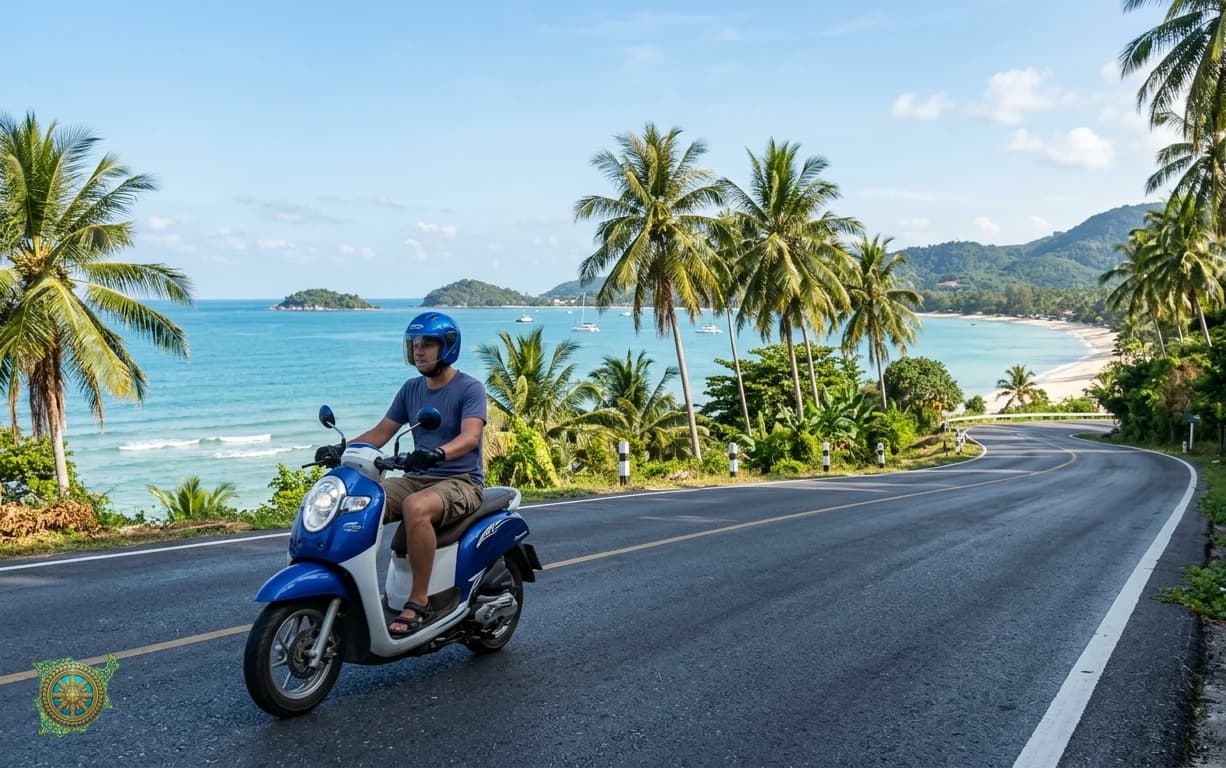
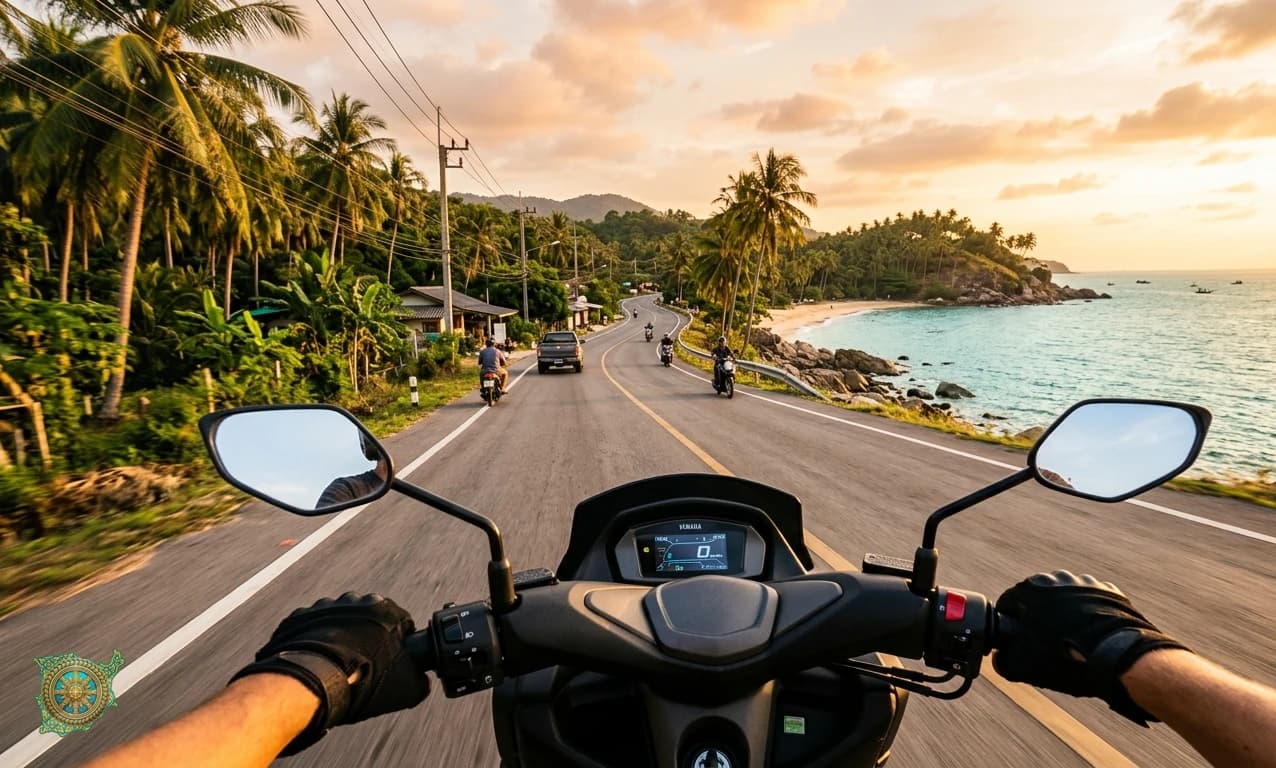
It was a Tuesday in October six years ago and I was already on the ring road near Lamai when the first clouds moved in from the Gulf of Thailand. Within four minutes the road was slick and I was braking too hard for a wet surface. The Scoopy's combined braking system stopped a skid that my pressure distribution had invited. That moment taught me more about wet-road technique than any guide I had read before arriving on Samui: the bike handles moisture better than the rider does, initially.
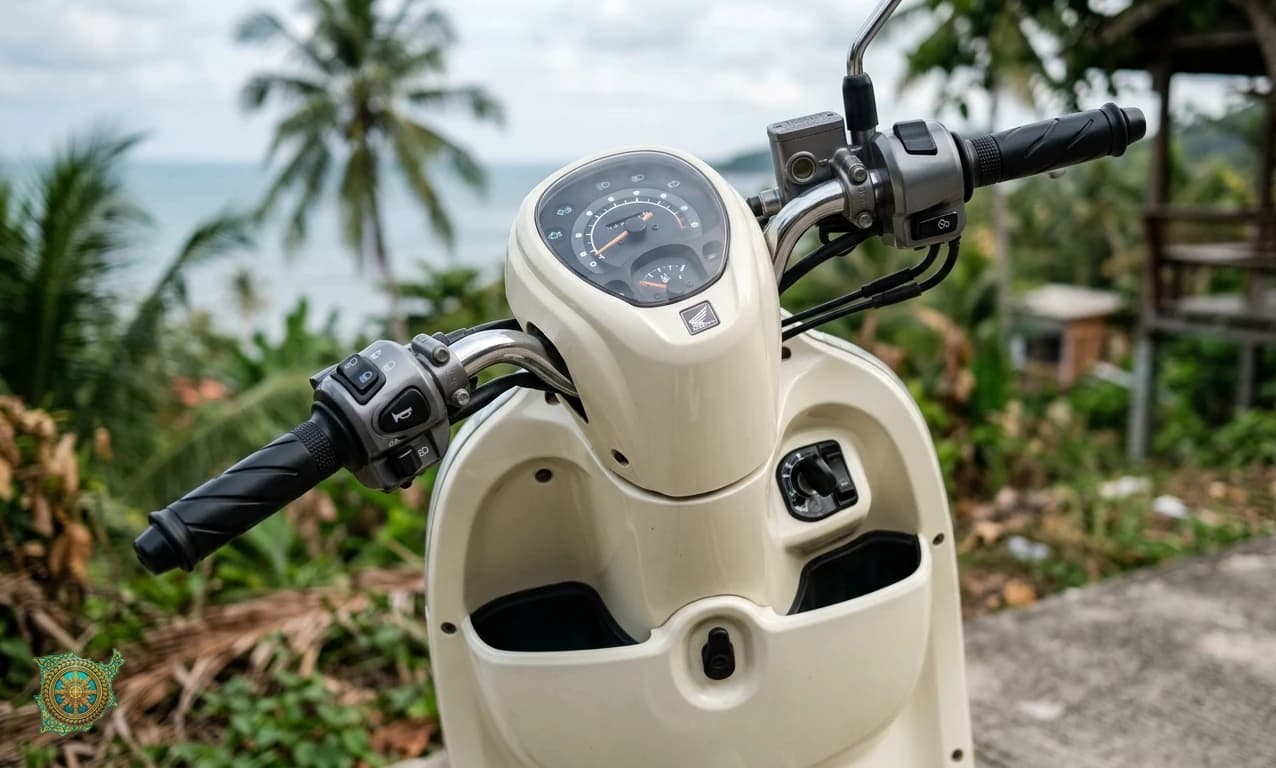
Leaving the guesthouse in Mae Nam on a grey November morning means checking the road shadow before touching the accelerator. Dry roads leave a uniform colour; wet asphalt darkens in patches that signal standing water beneath rubber trees. I look for those patches before entering junctions and adjust approach speed downward by 15 to 20 km/h compared to dry conditions. The Scoopy's front disc and rear drum respond predictably in this speed range - the margin for error is wider than many riders expect from such a small engine.
The junction near Chaweng's Central Festival has four painted crossing lines, a pedestrian marker, and a left-turn arrow - all skating surfaces in rain. I demonstrated braking on this crossing to a travel group last September, applying rear pedal pressure at 30 km/h on a wet line. The Scoopy slowed evenly and stopped without drama. Front brake only on wet paint produces a different outcome. Teaching the sequence - rear first, then front, never front only on paint - takes five minutes and prevents the most common wet-road fall on Samui.
The Scoopy's underseat storage fits a compressed rain jacket in a small dry bag. I have carried the same 150-gram packable jacket in a 5-litre dry bag under the seat of every Scoopy I have rented on Samui since year two. It deploys in 40 seconds at the road's edge before a squall arrives. The front cowl provides protection for the upper body in light rain, but legs and feet need separate waterproofing - lightweight waterproof trousers pack to almost nothing and weigh under 200 grams.
Last August I watched a rider come off a Scoopy on the corner above Lamai Beach during heavy rain. He had maintained his dry-weather pace of 55 km/h. The rear tyre broke traction on the apex, the bike went down, and he slid 3 metres into the kerb. No serious injury - he was wearing a helmet and jeans - but it was entirely preventable. Entry speed in rain should drop to 70 per cent of your dry-weather confidence on any Samui corner, and more on downhill bends.
Six years of riding Samui in every month have taught me to recognise two conditions that tell me to stay parked. The first is active lightning over the sea visible from the east coast - those cells move faster than they look. The second is flooding on the ring road north of Nathon, which happens once or twice a year after sustained overnight rain. A Scoopy on flooded road risks electrical damage because the contacts sit low. Both conditions typically clear within two hours. The island rewards patience.
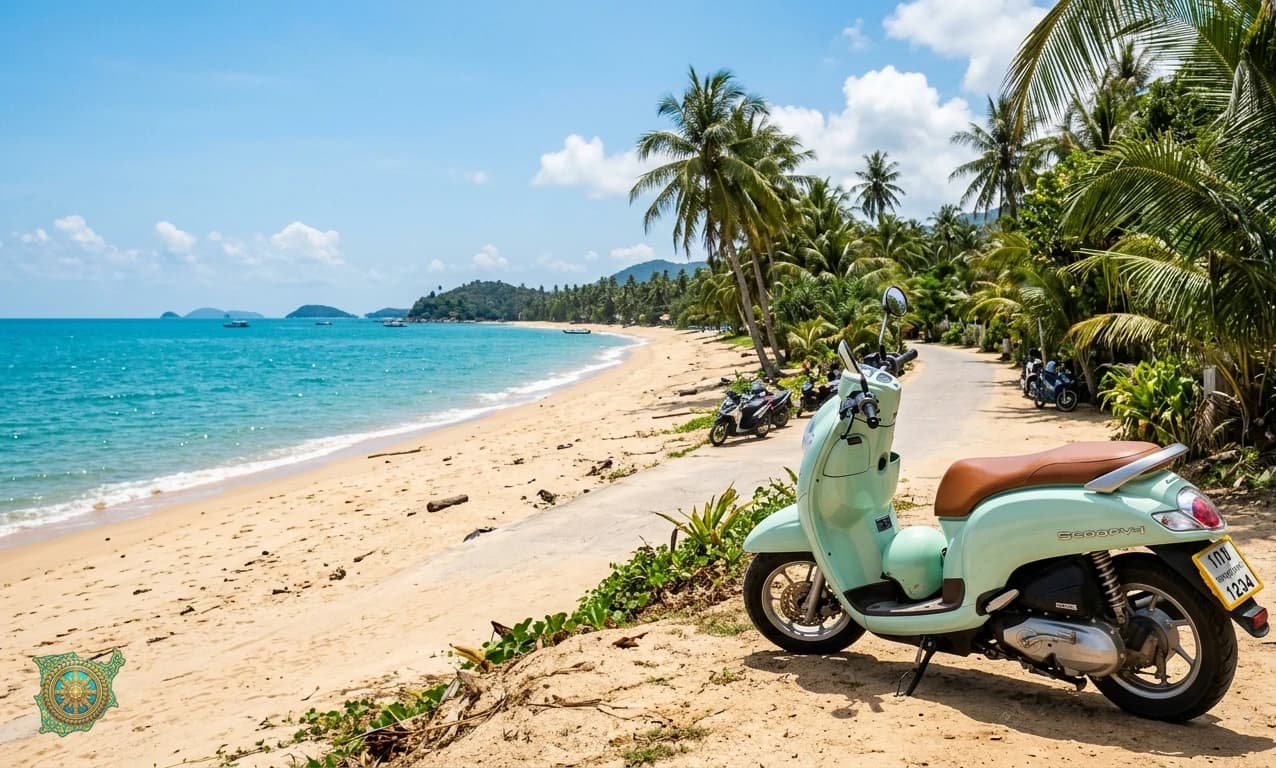
Interested in renting Honda Scoopy?
Check live availability and pricing for the Honda Scoopy on Koh Samui.
Show availableFirst-hand Honda Scoopy guides from our local team - where to ride it, when, and how to get the most from it on Koh Samui.

Browse the fleet, check availability, and contact us directly from your phone. Free on iOS and Android.
First-hand road and trail guides written by our local team - where to go, when to ride, and what to watch out for.