
Russian · 6 years on Samui
Russian travel blogger and safety advocate based on Koh Samui for 6 years. Elena specialises in practical first-timer advice for renting vehicles on the island.
Updated: May 2026
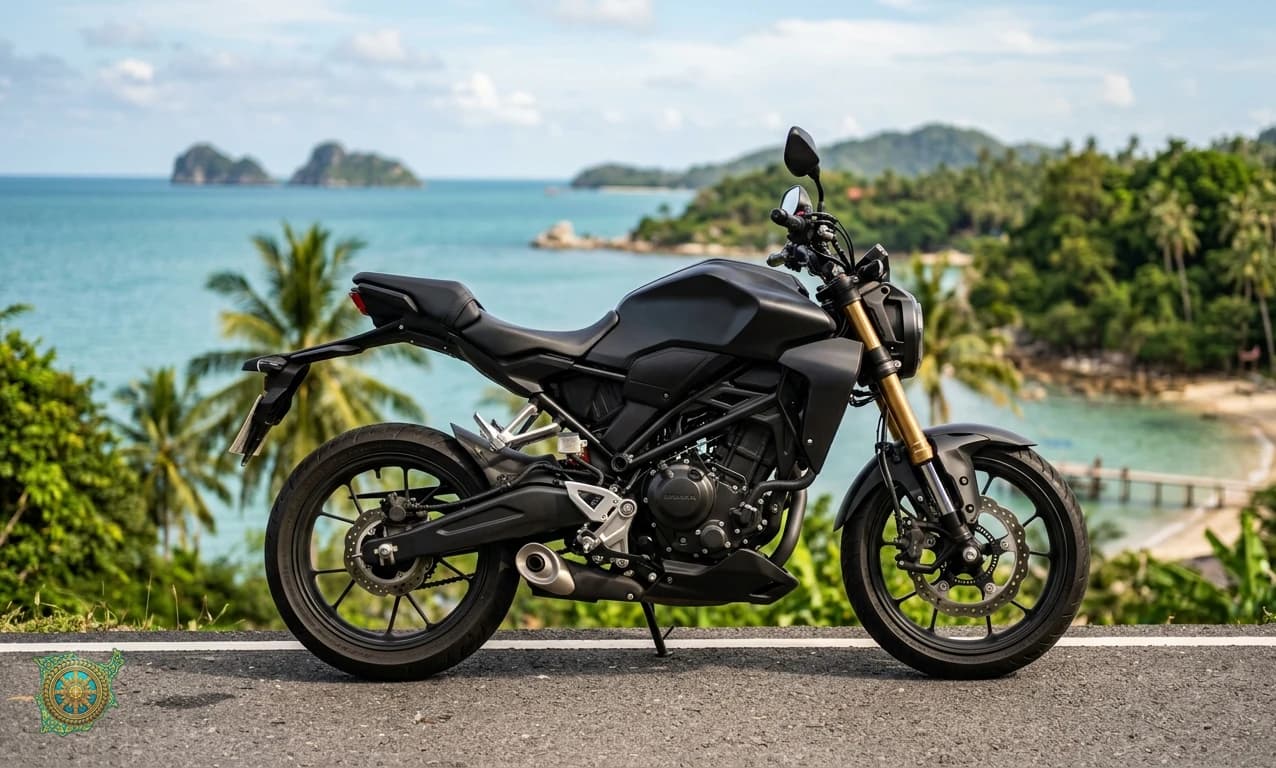
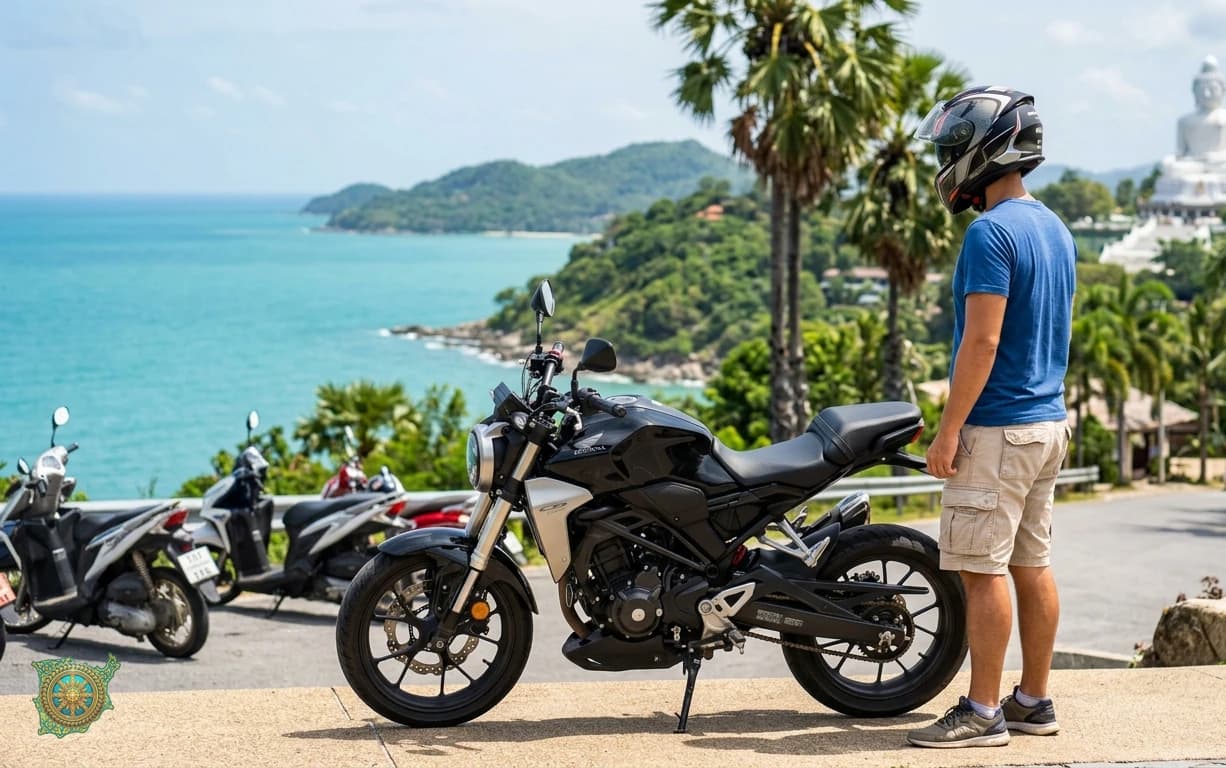
Braking from 60 km/h on wet tarmac at the Chaweng pedestrian crossing last October - midday rain, painted surface, a tourist stepping off the pavement - the CB300R's combined braking system distributed pressure cleanly and stopped the bike straight and controlled. The situation resolved without incident, but it sharpened my awareness of every variable in that stop: tyre condition, brake input timing, and road surface. On Samui's wet-season roads, which can become slippery in under 5 minutes of rain, the braking technique that works on dry tarmac must be applied earlier and more progressively.
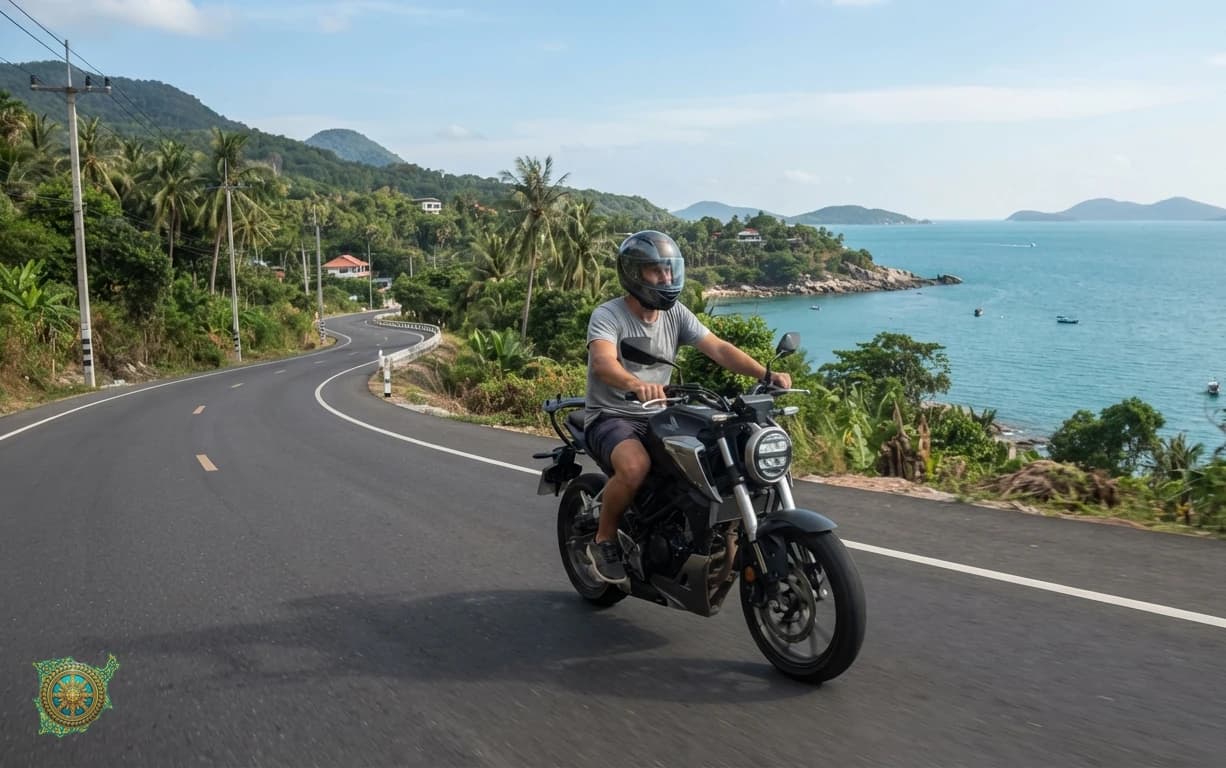
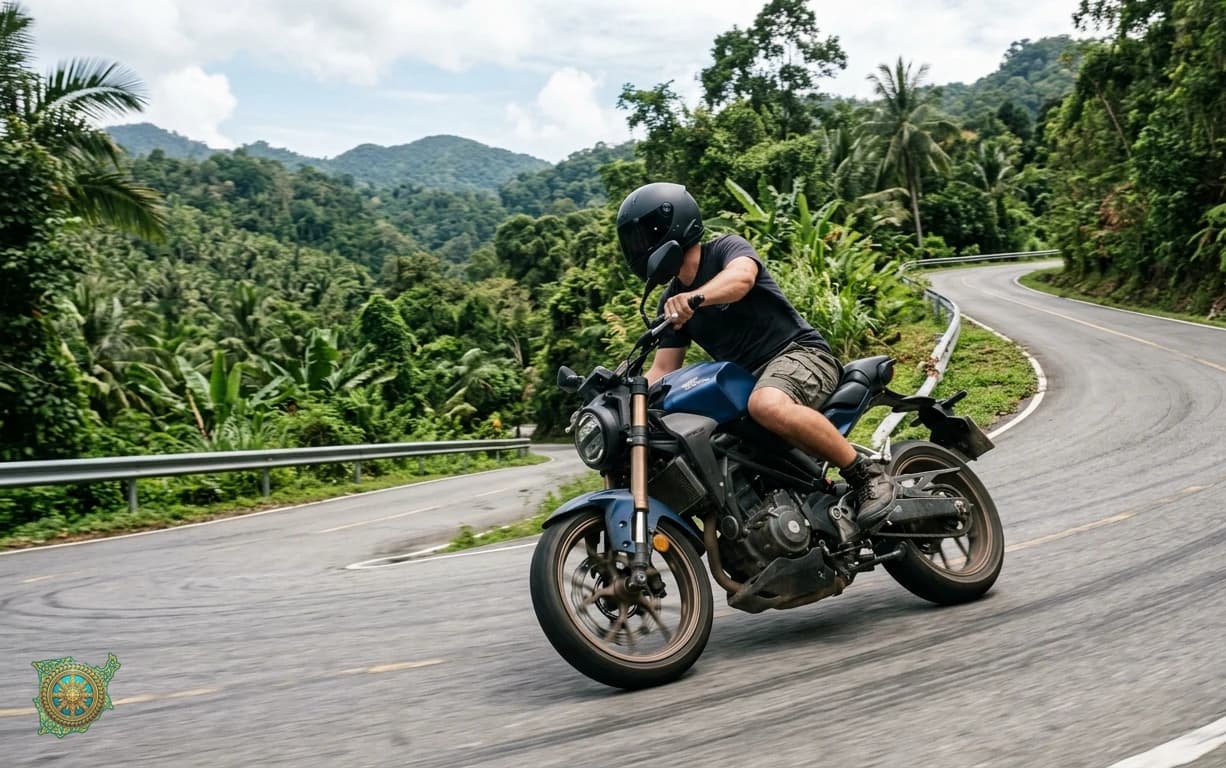
On the Nathon switchback last February, I watched a renter take the third corner wide - his eyes on the road directly ahead rather than at the corner's exit. On a CB300R at 40 km/h, looking at the exit rather than the entry is the technique that keeps the bike on the correct line. I stopped and explained this before the fourth corner; he rode the remaining switchbacks correctly. On Samui's mountain roads, where corners appear quickly and the road surface changes at each repair section, directing vision to the exit point is the single most effective safety technique available.
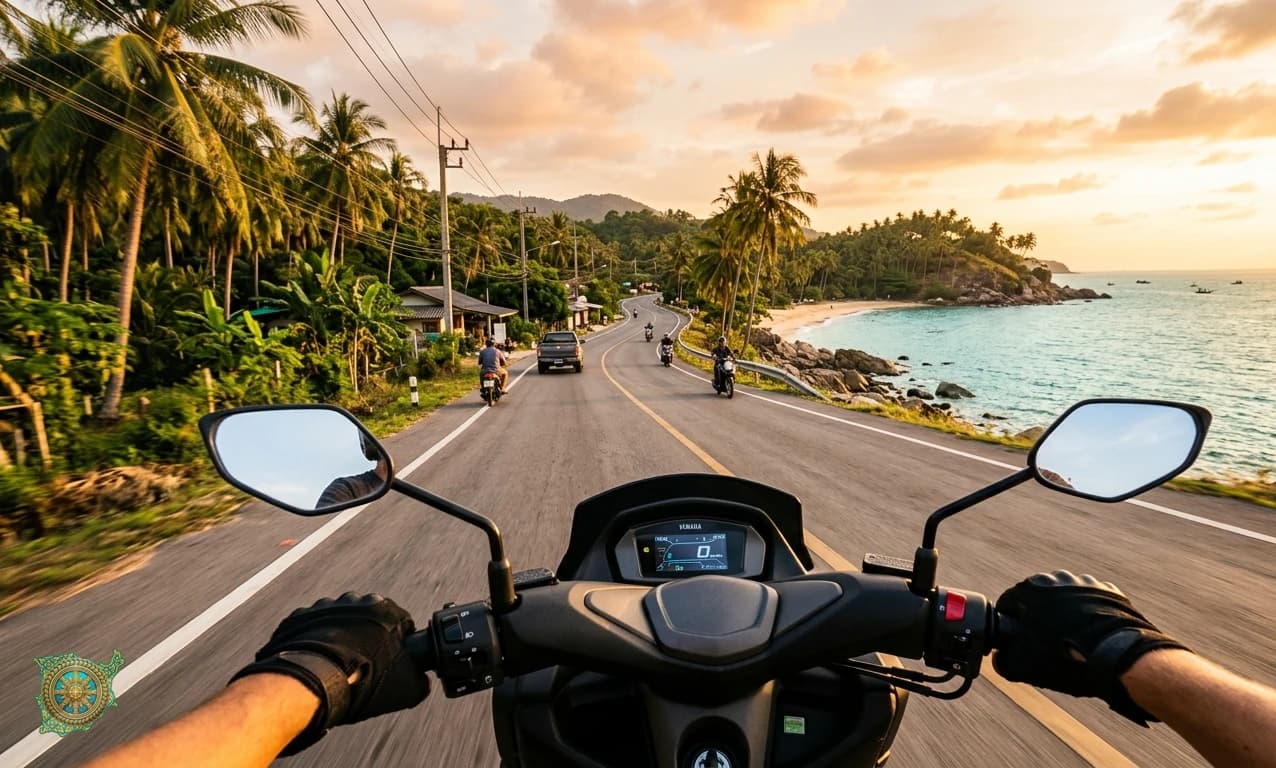
Riding the CB300R on the Chaweng beach road at peak tourist hour last November - 3 p.m., heavy scooter traffic, pedestrians crossing between parked vehicles - I maintained a road position 80 to 90 centimetres from the left kerb, not tucked into the gutter. This position gives drivers and pedestrians a clearer view of the motorcycle and provides the rider a path to the centre of the lane if a hazard appears from the left. On Samui's beach road, where pedestrians and scooters share space unpredictably, road position is an active safety choice, not a default.
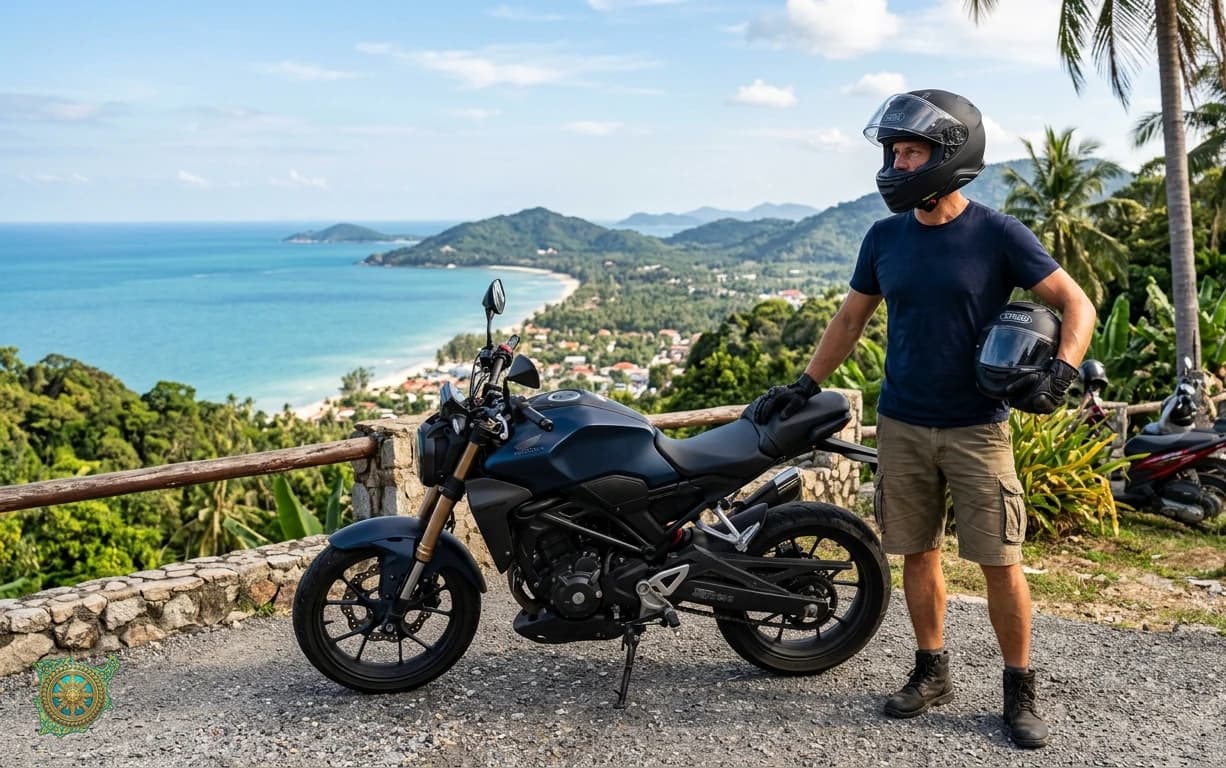
At the rental handover last January, I inspected the gear I had brought: a ventilated jacket, full-face helmet, gloves, and light trousers. The January morning temperature was 26 degrees - comfortable for full gear without overheating. By midday on the mountain road it was 33 degrees and I was sweating through the jacket. The risk calculation on Samui: lighter gear reduces sweat but increases injury severity in the same slide. I kept the jacket and gloves. On a 286cc motorcycle on mountain roads, the surface speed of a slide on rough tarmac makes full gear the correct choice regardless of the ambient temperature.
Transitioning from the Nathon mountain road onto the ring road last March - from tight switchbacks at 40 km/h to a clear straight at 90 km/h - I applied the throttle progressively after the last corner, allowing the bike to accelerate through fourth and fifth gear before reaching the straight. The CB300R's 31 horsepower requires deliberate throttle management at corner exits on wet or grippy tarmac: too much throttle too early and the rear wheel steps out on painted road markings. On dry tarmac the margin is comfortable. After rain, corner exits on painted surfaces require the same progressive throttle input I use in training.
Six years of riding and observing the Honda CB300R on Koh Samui's roads has produced a consistent safety framework: use progressive braking earlier than on dry roads, direct vision to corner exits on mountain switchbacks, maintain an active road position on the beach road, wear full gear regardless of temperature, and apply progressive throttle at corner exits on painted surfaces. These five practices address the specific hazards on Samui's roads and within the CB300R's performance envelope. Riders who apply them consistently complete their rental without incidents; riders who ignore them discover the hazards the hard way.

Interested in renting Honda CB300R?
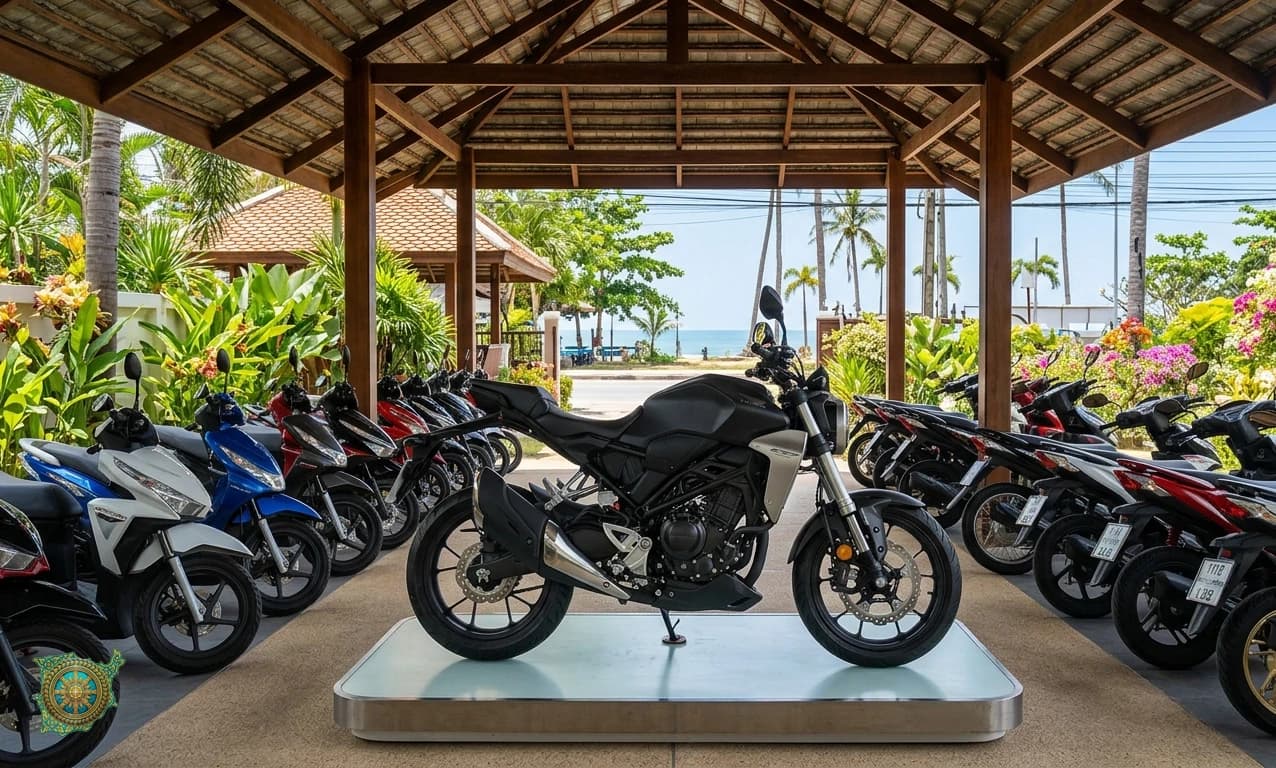
Check live availability and pricing for the Honda CB300R on Koh Samui.
Show availableFirst-hand Honda CB300R guides from our local team - where to ride it, when, and how to get the most from it on Koh Samui.

Browse the fleet, check availability, and contact us directly from your phone. Free on iOS and Android.
First-hand road and trail guides written by our local team - where to go, when to ride, and what to watch out for.